


Architecture & Landscape
By hqt
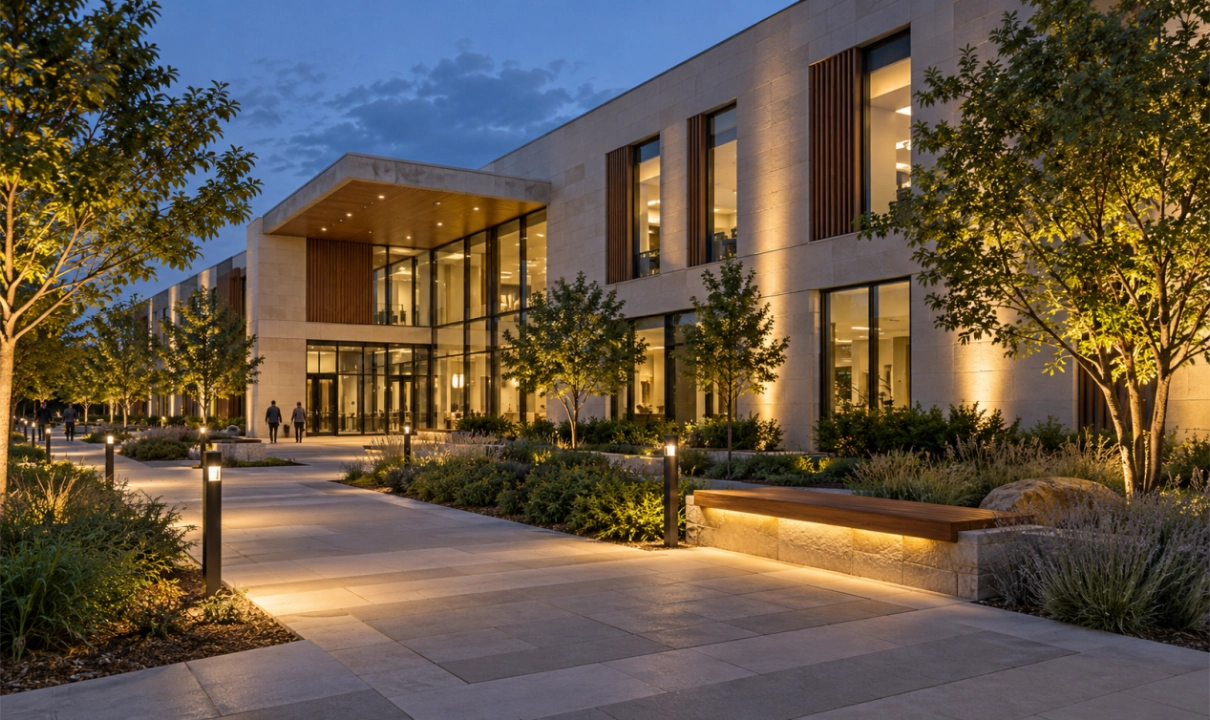
Architectural and landscape lighting is not about simply illuminating buildings and outdoor spaces. It is about reinterpreting them at night. By day, form and material read clearly; at night, light creates character, depth, and atmosphere. Facades, bridges, towers, gardens, plazas, pathways, and water features each need their own lighting language. Illuminance is only the starting point. What really shapes the result is beam angle, mounting position, color temperature consistency, contrast, and scene control. VOLTERRA focuses on whether the design intent can be delivered and whether the effect remains stable over time.
Typical Applications
Building facades, curtain walls, roofs, bridges, towers, hotel and commercial exteriors, gardens, parks, plazas, pedestrian streets, water features, sculptures, heritage sites, residential community landscapes, road landscapes, and urban night tourism.
Design Principles
Respect the architecture. Light should reveal structure and material, not overpower it. Layer the light: wall washing, grazing, floodlighting, internal glow, and linear lighting can be used for different surfaces. Landscape lighting should be experiential and safe—paths must be clear, plants should look natural, water features dynamic, and key nodes focused.
Control glare and spill light to protect residents, pedestrians, and the night sky. Keep color temperature and rendering consistent within a visual area. Outdoor fixtures must be waterproof, dustproof, lightning-protected, weather-resistant, and easy to maintain.
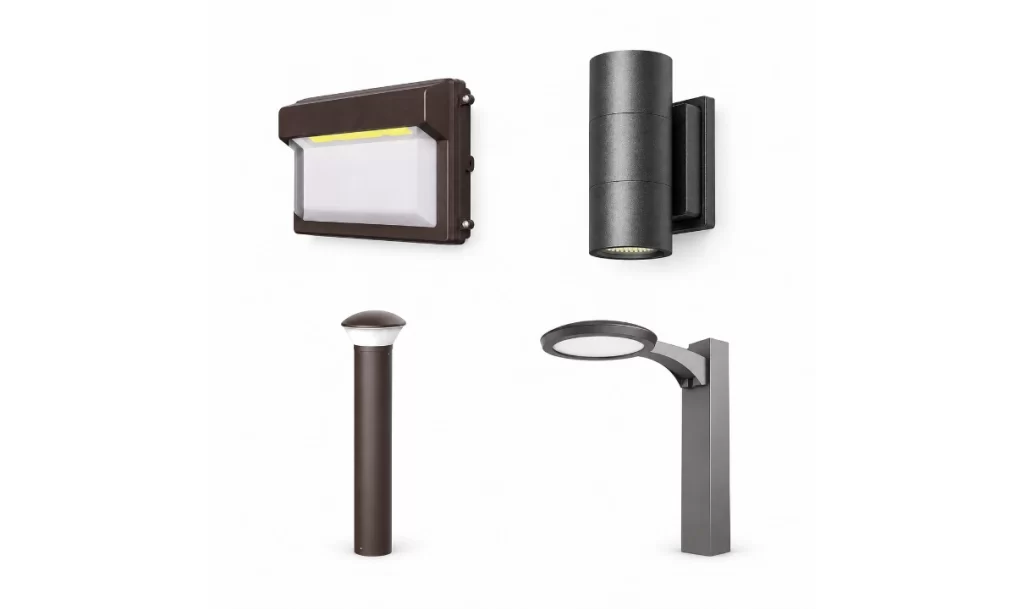
Key Selection Considerations
- Outdoor protection: IP rating must suit the location; in-ground, water feature, and fountain areas need higher ratings.
- Weather resistance and materials: Aluminum alloy, stainless steel, anti-corrosion coatings, and UV-resistant materials are suitable for long-term outdoor use.
- Optical design: Beam angle, shielding angle, and lens quality determine wall-washing uniformity and glare control.
- Color and dynamics: RGBW and DMX can create dynamic effects, but consistency and maintenance must be considered.
- Color temperature consistency: Keep color temperature and tolerance consistent within the same view.
- Light pollution control: Control uplight and spill light.
- Maintenance access: Facades, bridges, and high-mast fixtures need safe access for inspection and replacement.
Lighting Approaches by Area
Building facades suit wall washers, linear lights, and floodlights to express structure and material. Bridges and towers can use floodlighting, linear lights, and point sources to emphasize outline and rhythm. Gardens and parks suit garden lights, lawn lights, in-ground lights, and floodlights for layered lighting and safe paths. Plazas and pedestrian streets can use high-mast lights, landscape lights, and in-ground lights for both function and atmosphere. Water features and fountains require high-IP underwater lights with electrical safety in mind. Sculptures, heritage sites, and key nodes can use narrow-beam spotlights for visual focus. Commercial facades and hotel landscapes can combine internal glow, wall washing, and dynamic control to strengthen brand image.
Intelligent Control, Project Support, and Solution Value
Control focuses on scenes, time, and energy savings. Astronomical clocks, timers, DMX, zoning, and remote management can create different modes for weekdays, weekends, holidays, and late nights. VOLTERRA works with owners, designers, general contractors, and operators based on project positioning, design intent, and site conditions. Our services include product selection, supplier coordination, technical documentation, procurement support, installation guidance, testing and commissioning, and after-sales service. We focus not only on individual fixtures but on whether the overall nightscape can be delivered, whether long-term operation is stable, and whether maintenance is convenient. Good architectural and landscape lighting gives buildings more expression at night, makes public spaces safer and more attractive, and helps operators control energy and maintenance costs.

